
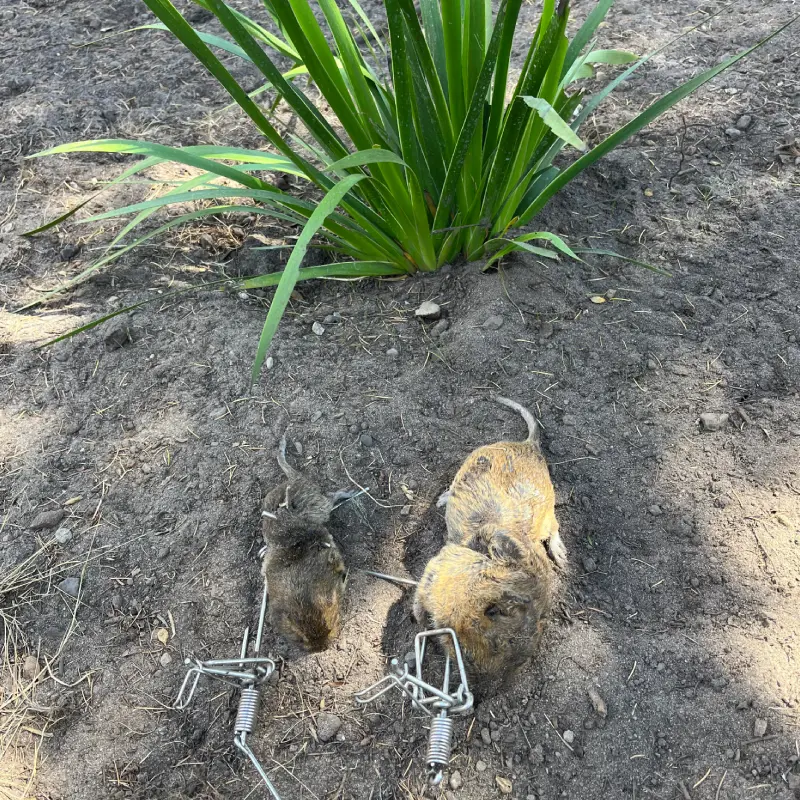
The most common rodent infestation signs include droppings, gnaw marks, nesting materials, scratching noises, unusual odors, grease marks, and live rodent sightings. If you’re noticing one or more of these signs in your Salinas home, it’s important to determine whether the activity is ongoing and address the entry points before the problem gets worse.
This guide will help you identify common rodent warning signs, understand what may be causing the problem, and learn what steps you can take to address it. But before that, let’s understand what causes rodent infestation inside houses.
How Does Rodent Infestation Occur in Homes?
Rodents may enter homes when they find easy access to food, water, shelter, or small openings. Small gaps, hiding spots, food, and accessible water can all increase the risk of a rodent infestation. Let’s see how:
- Easy Food AccessRodents come where food is easy to reach. Open bins, crumbs under kitchen appliances, pet food left out on the floor, or unsealed pantry items all attract them to the spot.
- Safe Hiding PlacesUnclean attics, basements, or piles of boxes give rodents a place to hide. Leaky pipes, standing water, or pet bowls left outside give rodents the moisture they need to survive. Once hidden, they breed quickly, and the population keeps growing.
- Small GapsMice can enter openings as small as 1/4 inch (6 mm). Cracks in walls, gaps around pipes, or loose doors and windows can provide rodents with easy access to your home.
7 Major Rodent Infestation Signs and DIY Actions to Consider
The seven most common rodent infestation signs are droppings, gnaw marks, nesting materials, grease marks, noises, odors, and live sightings.
1. Droppings
Rodent droppings are one of the easiest and most reliable signs. Mouse droppings are typically small and pointed, while rat droppings are larger and more capsule-shaped.
They are commonly found near food sources, inside cabinets, under sinks, or along baseboards. These droppings can cause diseases such as Salmonella and Hantavirus, which require proper handling.
Escalation risk: Food contamination and potential health risks.
Suitable DIY action: Ventilate the area, wear gloves, wet droppings with disinfectant, let it sit, then wipe up and dispose of safely.
Important Note: Never sweep or vacuum dry rodent droppings or nesting material, as this can disturb contaminated particles and release them into the air.
2. Chewing Marks
Rodents gnaw regularly because their front teeth continue to grow. This behavior can leave chew marks on wires, furniture, pipes, and food packaging.
Escalation risk: Electrical fires and ruined goods.
Suitable DIY action: After identifying and safely addressing the damage, inspect nearby areas for possible entry points and ongoing rodent activity.
3. Nesting Materials and Locations
Rodents use shredded paper, fabric, insulation, or cardboard to build nests in dark, hidden areas. Finding these materials in attics, basements, or behind appliances suggests infestation.
Escalation risk: Population increases; infestation spreads quickly.
Suitable DIY action: Remove material and clean the area.
4. Grease Marks, Tracks, or Rub Marks
Rodents often follow the same paths repeatedly. This leaves greasy smudges from their fur along walls and floorboards. In dusty areas, footprints or tail marks are clearly visible. These marks can indicate that rodents are repeatedly traveling through the area.
Escalation risk: Stained surfaces.
Suitable DIY action: Wiping surfaces to prevent stain formation.
5. Frequent Noises and Activity
Scratching, rushing, or squeaking sounds at night often point to rodent activity in walls, ceilings, or attics. Rodents are often easier to hear at night when household activity is lower.
Escalation risk: Property damage, damaged insulation, and possible electrical damage.
Suitable DIY action: Setting traps near areas where rats or mice are active.
6. Odors from Infestation
A musky, ammonia-like smell from urine and droppings is a common indicator of rodent infestations. The odor intensifies as their populations grow and may continue to linger even after thorough cleaning.
Escalation risk: Odor control becomes difficult.
Suitable DIY action: Neutralize odors using proper solutions and disinfect the area.
7. Direct Rodent Sightings
Seeing a rodent inside your home is a clear indication that it has gained access to the property. Repeated sightings or additional signs, such as droppings and nesting materials, can indicate ongoing activity.
Escalation risk: Rodents multiply in hidden areas.
Suitable DIY actions: Remove accessible food sources, secure garbage and pet food, use appropriate traps in areas of rodent activity, and seal potential entry points.
When to Call Professionals
DIY actions may help reduce rodent activity in the short term, but they don’t provide a lasting solution. Rodents are tricky to handle, and at times only professionals can help remove them.
Below are the signs that show when expert help is needed:
- Persistent Infestation: Rodents remain despite setting traps, using repellents, or repeated clean-ups.
- Large Droppings or Nests: Large amounts of droppings or shredded nesting materials continue to appear despite proper cleaning and other control measures.
- Heavy Contamination: Dead rodents or waste build up in insulation or ducts even after proper cleaning and disposal.
- Property Damage: Chewed wires, insulation, or visible structural damage after patching or replacing, suggesting rodents are still inside the house.
- Health Issues: Rodent droppings, urine, nesting materials, or contaminated food are present in areas of the home.
- Rodents Keep Coming Back: Rats or mice re-enter even after sealing holes or gaps, suggesting some areas were left open.
Let Experts Help With Rodent Infestation Clean Up
Recognizing rodent infestation signs early helps take necessary actions. However, DIY efforts often lack consistency, and rodents return despite thorough cleaning. Hence, it’s best to let local rodent exterminators get rid of rodents from the house.
At The Gopher Guys, we use eco-friendly products and methods to remove rodents. Our specialists ensure you get safe, effective, and long-term protection for your home. Every infested spot in the house is checked to make sure there are no rodents left.
Give us a call to make your house rodent-free.
FAQs
What do rodent exterminators do?
Rodent exterminators check your property to identify entry points, nests, and rodent activity. After this, they use targeted traps, baits, cleaning solutions, and sealing methods to eliminate them. Exterminators also use prevention techniques to stop infestations from returning.
How to tell if a rat infestation is gone?
You can tell that rodent activity has likely stopped when droppings, gnaw marks, nests, and scratching noises no longer appear. If new signs continue to show up, further inspection may be necessary.
How to prevent rodent infestation?
We recommend sealing gaps with steel wool or caulk, storing food and garbage in closed containers, and keeping outdoor areas clean. Use traps along walls and disinfect droppings safely.
How much does rodent control cost?
Rodent control costs vary depending on the severity of the infestation, property size, accessibility, required exclusion work, and whether cleanup is needed. A professional inspection can help determine the appropriate treatment and overall cost.
